A daily letter · Buffalo, N.Y.

I spent thirty years telling people what their houses were worth. Last month I found out I had my own wrong by about ninety thousand dollars.

Rita Nowak was a field claims adjuster for thirty years. This is a letter about the paperwork you already own, six mornings a week.

Six mornings a week Free Since August 2026
Rita Nowak standing on the front steps of a house in Buffalo, New York, in late autumn, holding a clipboard.
Field 01

Who I am

My name is Rita Nowak. For thirty years I was the person who arrives after the fire or the burst pipe, walks the house with a tape measure, writes down what is damaged, and tells you the number.

Fires, ice dams, wind, water, and a few catastrophe deployments to Florida and the Gulf. I left staff work in 2023, when the company moved to estimating losses from photographs instead of sending anyone inside. I still take two or three files a month to keep my hand in.

I am not an agent, a lawyer, or a financial adviser, and I hold no licence that would let me advise you on your own situation.

Age
62
Trade
Field claims adjuster, 1990–2023
Now
Independent licence, a few files a month
Also true
My own house is underinsured. I know the number. I have not fixed it.
Field 02

What I write about

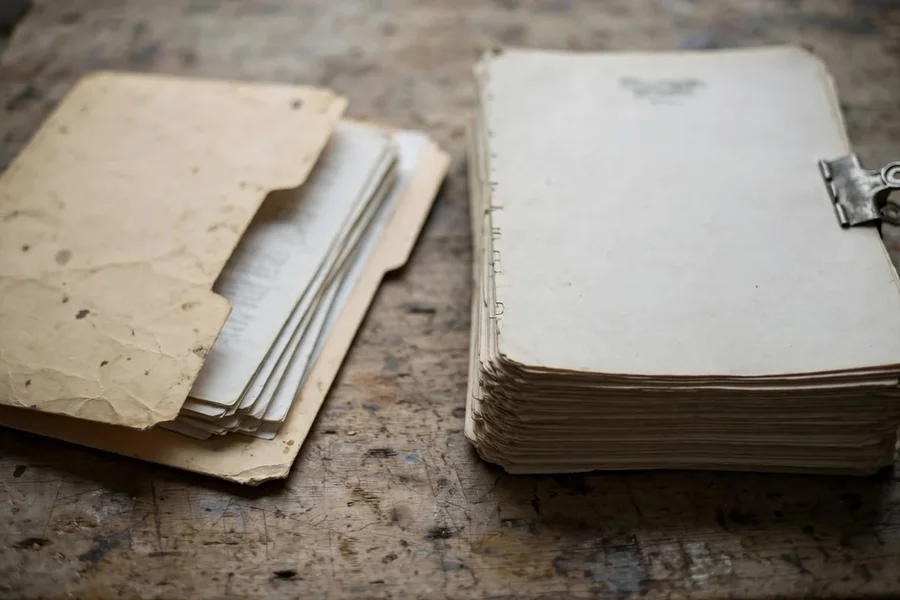
A thin folder of loose papers beside a thick stapled document on a wooden table.
On the left, what most people keep. On the right, what they actually bought.

The paperwork you already own. Not the decisions you might make later.

A household has around forty binding documents in it. The policy. The escrow statement. The deposit terms. The fund fees. The beneficiary form nobody has looked at since 1997.

Each issue takes one of them and explains how it behaves rather than how it reads.

Your policy
The two words that decide how a roof gets paid for
Your contents
Why your coin collection is insured for two hundred dollars
Your mortgage
Where the escrow number came from this year
Your accounts
What renewed itself last month, and at what rate
Your estate
Four documents, and why the will comes last
Your house
What a rebuild costs now against what your limit was written for
Field 03

Why subscribe to me

You have already read the paperwork. That was never the hard part. The words are not difficult — they are arranged badly, on purpose.

What reading cannot give you is the other end of it: which line gets checked first, what is calculated and what is somebody's judgment call, where the argument actually happens. I worked on that end for thirty years, and it did not stop me from getting my own dwelling limit wrong for six years running.

I am not ahead of you on this. I just know where to look when it happens.

Subject
A document you signed years ago and filed — not a decision you have not made yet
Risk
Nothing here is a prediction, so there is nothing to guess
Checking it
Ten minutes, in your own drawer, today
Field 04

Whether I can be useful to you

Probably, if one of these is you.

Every issue ends with one thing to check. It costs nothing, takes about ten minutes, and stops being possible once something has happened.

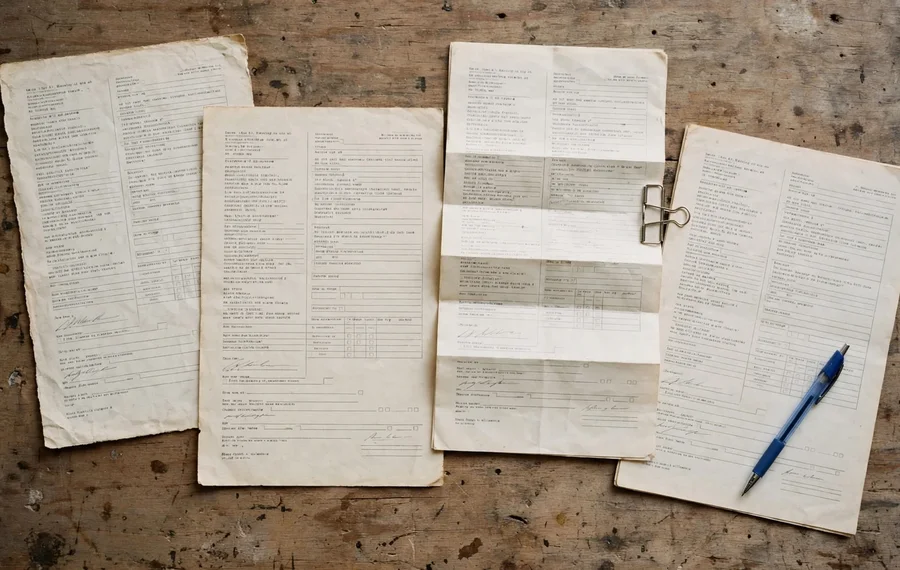
Four typed documents laid out side by side on a worn wooden table, with a pen and a paper clip.
Four documents decide most of what happens to a household's money. Three get signed unread.
One
You keep the family's papers

Thirty years of paying the bills, watching the renewals, keeping the folder. Your question is not what does this mean. It is where could I be worked around.

Two
You run the money yourself

You read primary sources and check the footnotes. You know more than most of the agents you have spoken to. You are here for the order things get decided in.

Three
You already got a number

Fire, water, roof, wind. You learned the process thoroughly while it was happening and still do not know why the figure was what it was.

Field 05

Questions

Are you selling insurance?
No. I have no appointment with any carrier and no licence to place a policy, so I could not sell you one if I wanted to. Nothing changes for me if you switch, stay, or do nothing at all.
Will you tell me what to buy?
No, and I would be wary of anybody who would. I have not seen your house, your street, your claim history or the wording of your particular document. What I can do is show you where a figure came from, so that when you talk to somebody licensed you are having a shorter conversation.
I have read my policy already.
Good, and you are the reader I have in mind. Reading it tells you what it says. It does not tell you which line an adjuster checks first, or which figure is calculated and which is a judgment call. That is the part I spent thirty years on, and it still did not stop me from leaving my own dwelling limit alone for six years.
I do not own a home.
Then about half of this will be useful to you and half will not. Renewal terms, beneficiary forms, deposit rates and fund fees apply to anybody with an account. The rest assumes a roof. A fortnight is enough to work out whether the balance suits you.
How do I know the figures are right?
Every number comes from the document or the rule it is describing, and the source and the date are printed with it so you can check. When I get one wrong it goes at the top of the next letter under its own heading, and the archived version is amended with a note saying what changed.
What happens to my address?
It gets the letters. It is not sold, rented or handed to anybody, including the companies I write about. The full account is on the privacy page, and it is short.
Subscribe

Free, and it arrives at half past six

One letter each morning, Eastern time. Unsubscribe takes one click and I do not chase anybody who leaves.

1.  Enter your address.
2.  A confirmation email arrives within a minute. You have to click the link inside it — nothing happens until you do.
3.  The letters start the next morning.

If it has not turned up after a minute, look in Promotions or Spam. Mail about paperwork tends to get sorted there, which I suppose is fair enough.

Field 06

What I commit to

[ ]I will show you where the number comes from — the clause, the limit, the arithmetic. Not "protect what matters most."
[ ]I am not going to scare you. I will tell you what already happened in a house I stood in.
[ ]I will not tell you what to buy. Not a policy, not a company, not a product.
[ ]I will say when I don't know, which is often. And when I get something wrong it goes at the top of the next letter.
[ ]I will tell you when I am paid. If a link pays me, it says so in the same paragraph, not the footer.
[ ]I am not going to pretend my paperwork is in order. It is not.
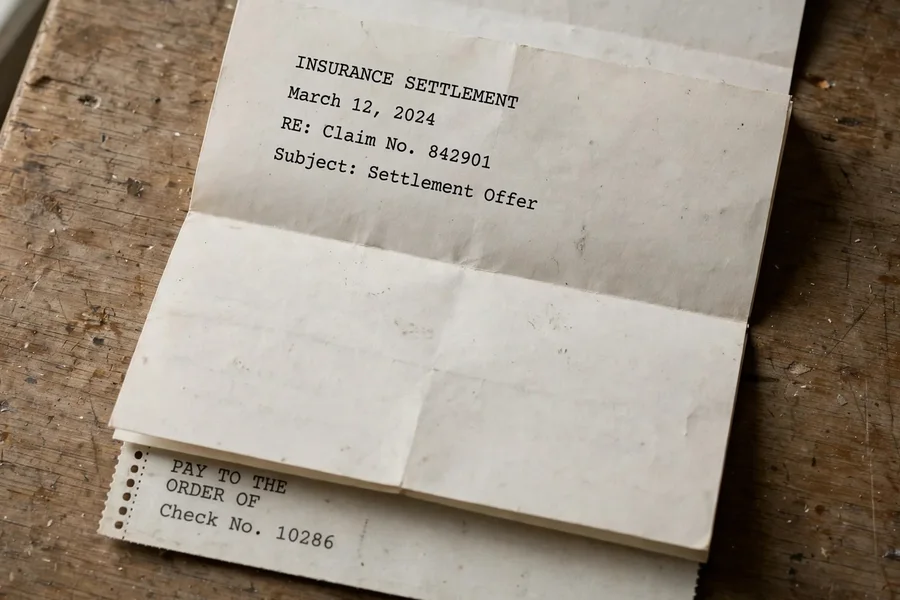
An insurance settlement letter folded in thirds on a wooden table, with the stub of a printed check underneath.
The letter that comes with the first check. The date on it expires.

Read the policy before you need it.

— Rita Nowak, Buffalo, New York